This photograph is a continuation of the Transformation Series. Please refer to the previous post to understand my vision for what qualifies as a transformation. This particular image was created during a drive called the photo hunt. I was in the Sonora Desert when I came across a dry floodplain. There wasn’t a bush or tree in sight when I noticed a stove in the distance. As I got closer, I realized it had become a target for shooters.
What caught my attention was the patina created by rust around the bullet holes. The holes formed an interesting pattern that contrasted beautifully with the white porcelain finish.
I was completely alone in the desert when I began photographing the stove. Afterward, I went home, processed the film, and reviewed the results. However, I felt the photograph was unremarkable—a “mug shot” of a shot-up stove. It lacked creativity and merely served as a record of my presence there. I decided I needed to return and create something more compelling and artistic.
Given that the dry floodplain was barren, I thought incorporating a long shadow would make for a more dynamic image—something I’d feel proud to put my name on.
I returned at sunset to capture the shadow. Setting up my camera, I waited as the shadow lengthened. I had to continuously reposition my large-format camera, which presented its own challenges with depth of field and focus. Eventually, the shadow extended beyond my lens’s angle of view. I made a few exposures, hoping I had everything right and that the final image would match my pre-visualization.
When I developed the film and made a contact print, I found the shadow running off the frame created a sense of tension, which I found appealing.
For me, this photograph embodies transformation. The stove, once the centerpiece of someone’s kitchen, had become discarded junk and a target for shooters. I often revisit my favorite spots, and I returned to this one about a year later—only to find the stove gone. Strangely, I felt heartbroken, as though I had developed a peculiar relationship with it. Looking back, if I had known someone would remove it, I might have loaded it into my truck and kept it in my backyard as an art piece.

What is my series Transformations? Over the years, I’ve been fascinated by photographing unusual places or objects that seem to have been left behind, dumped as trash, or abandoned. These aren’t just ordinary pieces of junk; they appear to transcend their original purpose, transforming into something entirely new.
I rarely come across subjects that fit this theme, but when I do, I feel an overwhelming urge to photograph them. I don’t have many pieces in this series, so when I find one that fits my narrative, I capture it and proudly share it with anyone I think might appreciate it.
When I worked at the East Valley Tribune Newspaper, I would occasionally bring some of this work to the photo desk. My photographer colleagues were often my first critics. One day, a coworker looked at the images and said, “These are Transformations.” At the time, I hadn’t given the series a name, but as soon as he said it, something clicked.
That was it—the perfect title. I loved it, and Transformations has stuck.
This is Hidden Valley Auto Parts in Maricopa, Arizona. When my sons were younger, I often drove past this junkyard on our way to go dove hunting. Every time I passed it, I thought, I need to photograph those vans.
I wondered about the interesting way they were being used for advertising but couldn’t help thinking about who owned these vans when they were new. Perhaps a family eager to tour the country, or a contractor excited about his new van to store his equipment. My imagination ran wild, picturing these vehicles as useful, even cherished, by someone long ago.
Surely, they must have been a point of pride when they first rolled off the showroom floor. But now, years later, they’ve been discarded, reduced to junk, waiting to be crushed and recycled at the junkyard. Yet, someone saw their potential for a second life—as a creative way to advertise.
A true transformation.
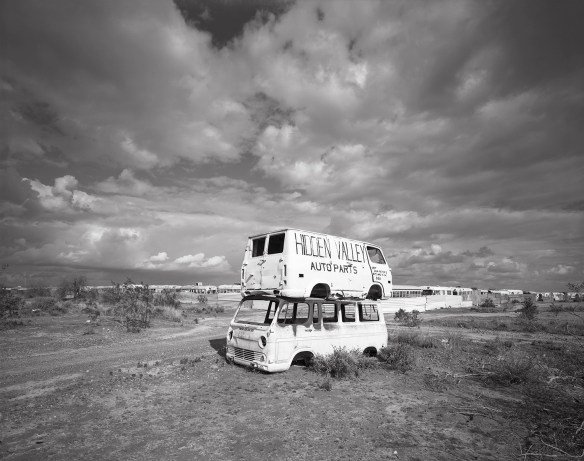
On a hot summer day, I decided to head south to the Maricopa Wilderness to try and make a couple landscape photograph. On the picture hunt, I drove about 35 miles to the town of Maricopa and turned West onto a state route 238 heading toward Gila Bend. About 7 miles west of Maricopa, I turned onto a dirt road heading north, driving another five miles before taking another dirt road to the West. After about a mile or two, I reached a spot surrounded by granite mountains that opened up to a wide, scenic view of the desert.
This area is pretty remote, far from any paved roads or towns. Knowing it was a corridor for drug smugglers crossing from Mexico, I stayed aware of my surroundings as I set up my 8×10 large-format camera. Being out there alone with no cell service was a bit unsettling, so I turned on my truck’s radio. I couldn’t get an FM signal, but on the AM dial, I found A Prairie Home Companion, a radio variety show hosted by Garrison Keillor. It had folk and Americana music, along with light humor, which helped keep me relaxed.
The temperature that day was around 112°F, but the desert dryness made it more bearable. I set up my camera for a couple of compositions while enjoying the monsoon clouds rolling in from the Southwest. The dust stirred up by the wind added a lite atmosphere to the distant landscape.
I love how this experience has lasted in my memory all these years. For me this is how photography can be so rewarding to your mental health. The process of creating the isolation and the experience are forever embedded in my mind as something incredibly rewarding and personal. It really doesn’t matter if the photo’s makes it as a framed print on the wall it’s the experience that truly matters.
After returning to Phoenix, I processed the film and made a few silver gelatin prints. The photographs hold a personal significance to me because of the experience. Although, I do understand that others will view them differently. The viewer doesn’t have the foundation of the experience that I did. Ultimately, the connection someone feels to the photographs depends on their own interpretation. For me, sharing these images and telling their story is about inviting others to visualize the scene and create their own connection to the moment.


Emmett Kelly was an American Circus performer who created the character Weary Willie. In 1923 he brought his character of a defeated Hobo to life as a clown. Kelly joined the Ringling Brothers and Barnum & Bailey Circus in 1942 where he was the featured act until 1950’s.
The Emmett Kelly train car, Clarkdale, AZ. I shot this black-and-white picture with my 8×10 view camera a few years ago. A large framed print of this image was auctioned off for a fundraiser at the Phoenix Art Museum. One morning, I was watching a local news channel when they were doing a piece on a custom home somewhere in the Valley. The photographer wandered into the master bedroom, and above the bed was this photograph. I was blown away seeing it and was thrilled that it was displayed so beautifully in the home.
I loved the photograph, but I sometimes return to places I’ve shot to possibly make it better. When I went back, I was kicked out before I even had the equipment out of the car. The yard manager said it was a live rail back there so I couldn’t be there. He told me I could call the director of the depot and get permission, so I did. She said, “absolutely not.”
If there is a moral to the story it would be shoot first and apologize later.


When I was working full-time as a photojournalist, my life was very busy with daily assignments. With 700 photo assignments a year, burnout is inevitable. I love photography, but the daily grind becomes tiresome. To combat burnout, I turned to large-format landscape photography.
My exploration into photography got serious with my amazing photography professor Allen Dutton at Phoenix Community College. He was a well-known professor and a large-format photographer himself. He would have his friends, master photographers, send him print portfolios to show to his students. It was a wonderful experience to see these original works. Two years later, I was a senior studding journalism at Northern Arizona University when an exhibition of 20X24 inch prints by Ansel Adams was on display. The photographs were spectacular—beautifully printed images that left a lifelong impression on me.
At the time, I was using a 35mm camera, but I dreamed of owning an 8×10 camera and hoped someday I would create work like his. Seventeen years later, I sold old camera equipment, bartered, and made payments on a Deardorff 8×10 camera. I believe it was 1990, and that was the beginning of my large-format landscape work.
To combat the burnout from the newspaper work, I would drive through the Arizona desert, forests, and abandoned structures, creating 8×10 large-format photographs. This endeavor continues today and has lasted over 30 years. I hope to share these photographs with you as this blog progresses.

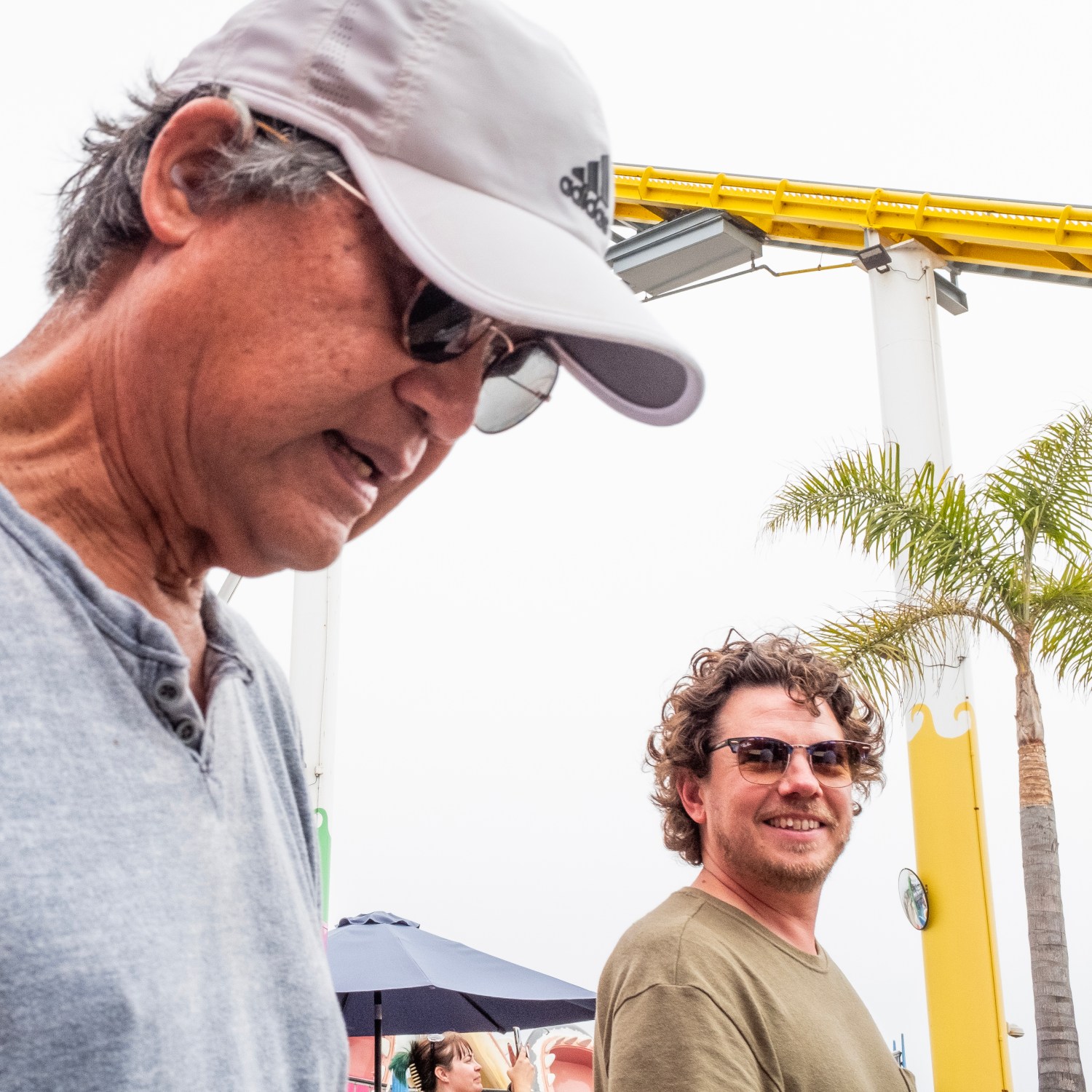
My first journey attempting what I’m calling Street Photography. Does street photography always happen on city streets? No! Through-out photographic history street photography has also been done at amusement parks, beaches and fairs. For example, Diane Arbus, Bruce Gilden and Constantine Manos have all made images at Coney Island Brooklyn, New York. For me it was the Pier. The local and international presence of its occupants made for a diverse mix of candid unguarded moments that revealed authentic human behavior.
I observed the crowd with vigilance and reacted when appropriate. Its authenticity comes from the candid nature of the photographs and my personal vision for which I was drawn in.
The experience in terms of “what am I trying to say” reveals itself by intent and in the edit.
The edit showed a strong connection between everyone there. They weren’t just together physically; it felt they were turned into each other, engaged in a way that made the photographs feel genuine and special.
The engagement among them highlighted our shared humanity despite our differences.
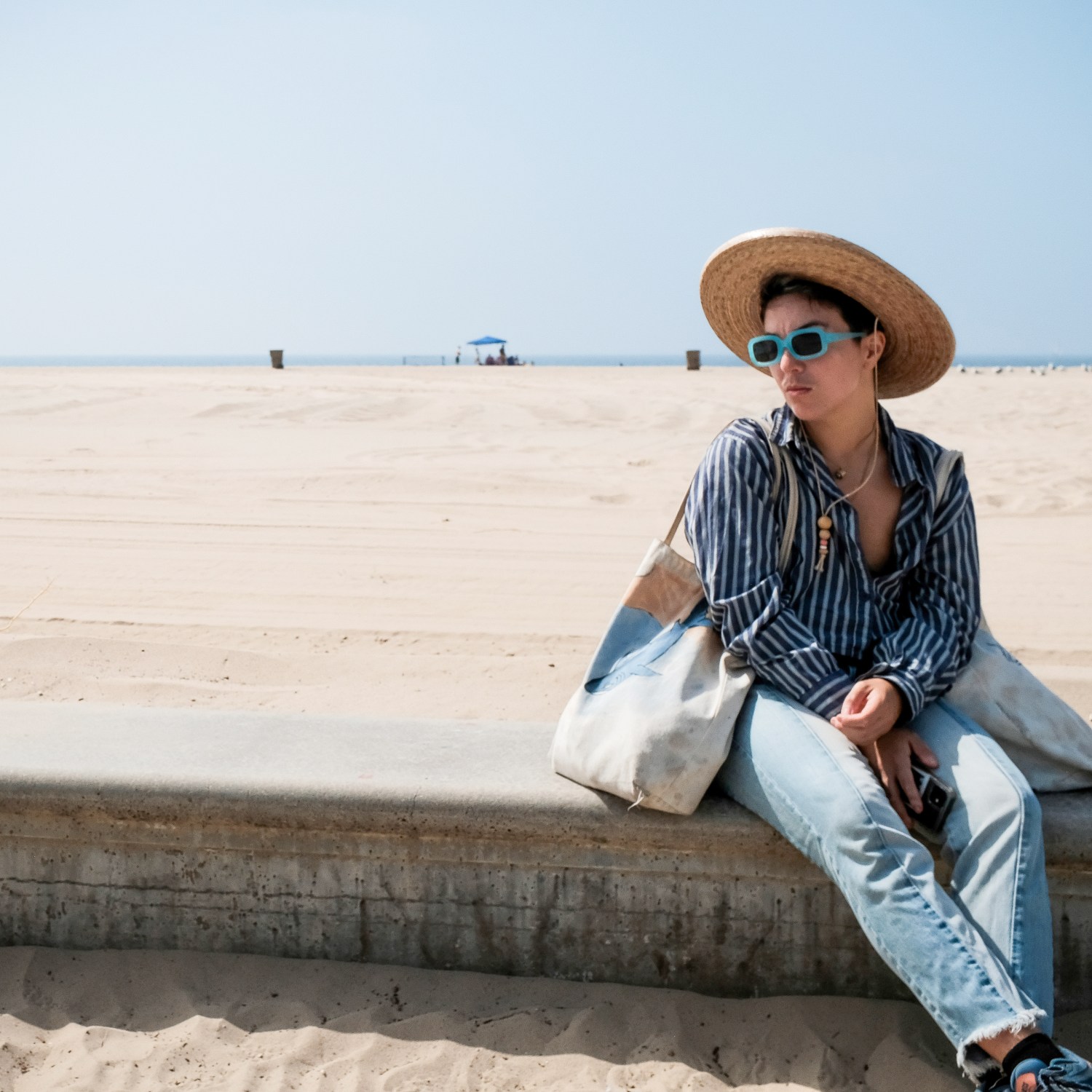

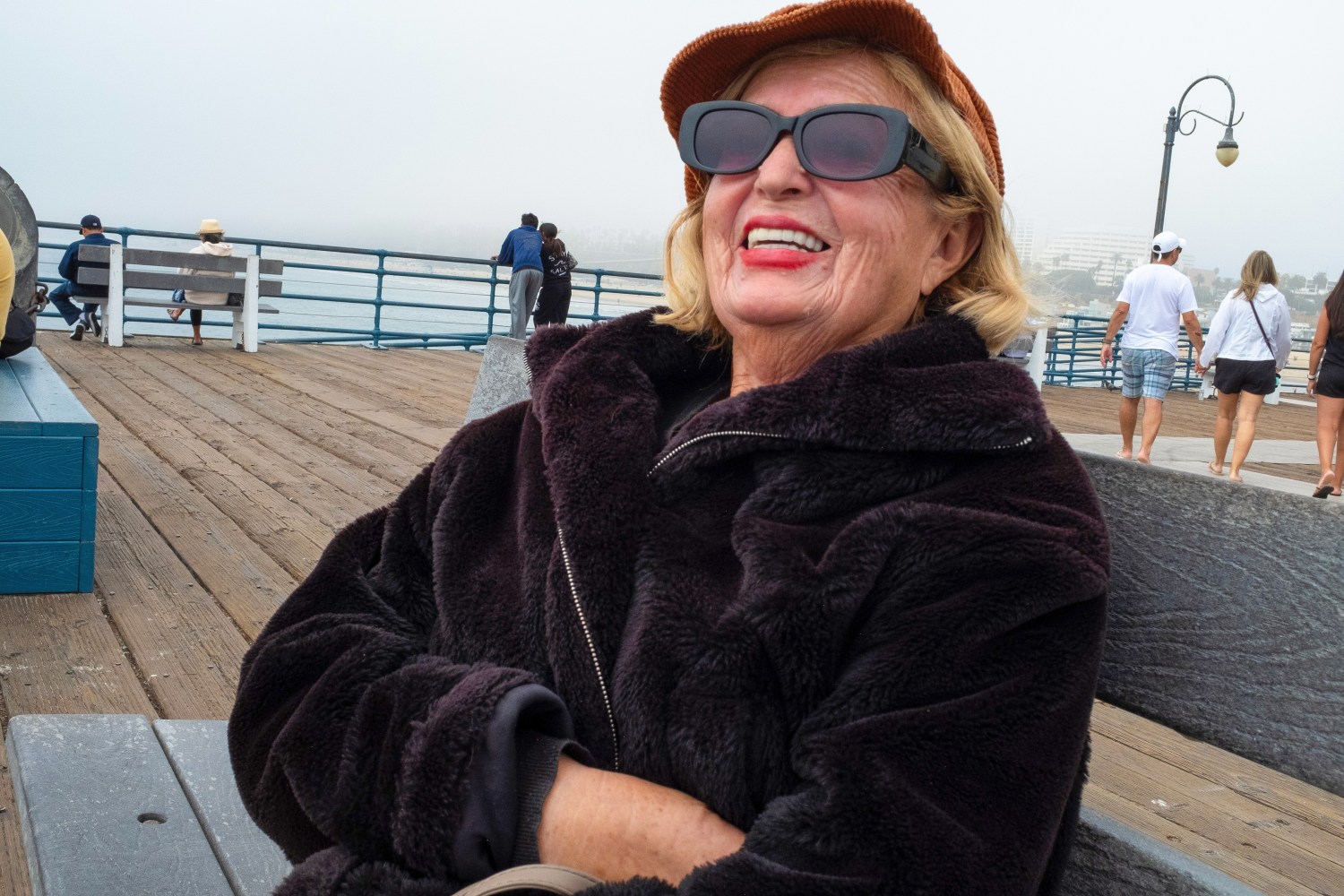


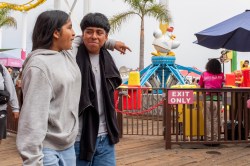
Let’s talk about Street photography. Since, I’ve been retired for a couple years now I have been learning a lot about different practices of photography.
I have found through out my life I have many interest. By looking through my work over the years I’m mostly interested in and best at editorial photography. I’ve done newspaper, marketing, corporate portraits, environmental portraits, large format black and white landscape, still life, things left behind landscape and urban interpretations of Implied Humanity.
The one thing I haven’t done but I’m extremely interested in is Street Photography. In photojournalism or newspaper work it’s called a found feature or wild art. The limitation of wild art is that it is a stand alone photograph. It usually does not reveal much beyond its single uniqueness. I have never done street photography in the way of it’s definition. I seriously, want to work on this. My first challenge is location. during the summer the temperature in Phoenix is inhumane. Know one is outside in downtown Phoenix other than the seriously mentally ill and the homeless. I checked out downtown about a month ago and decided not to get out of my car. I seriously did not feel safe.
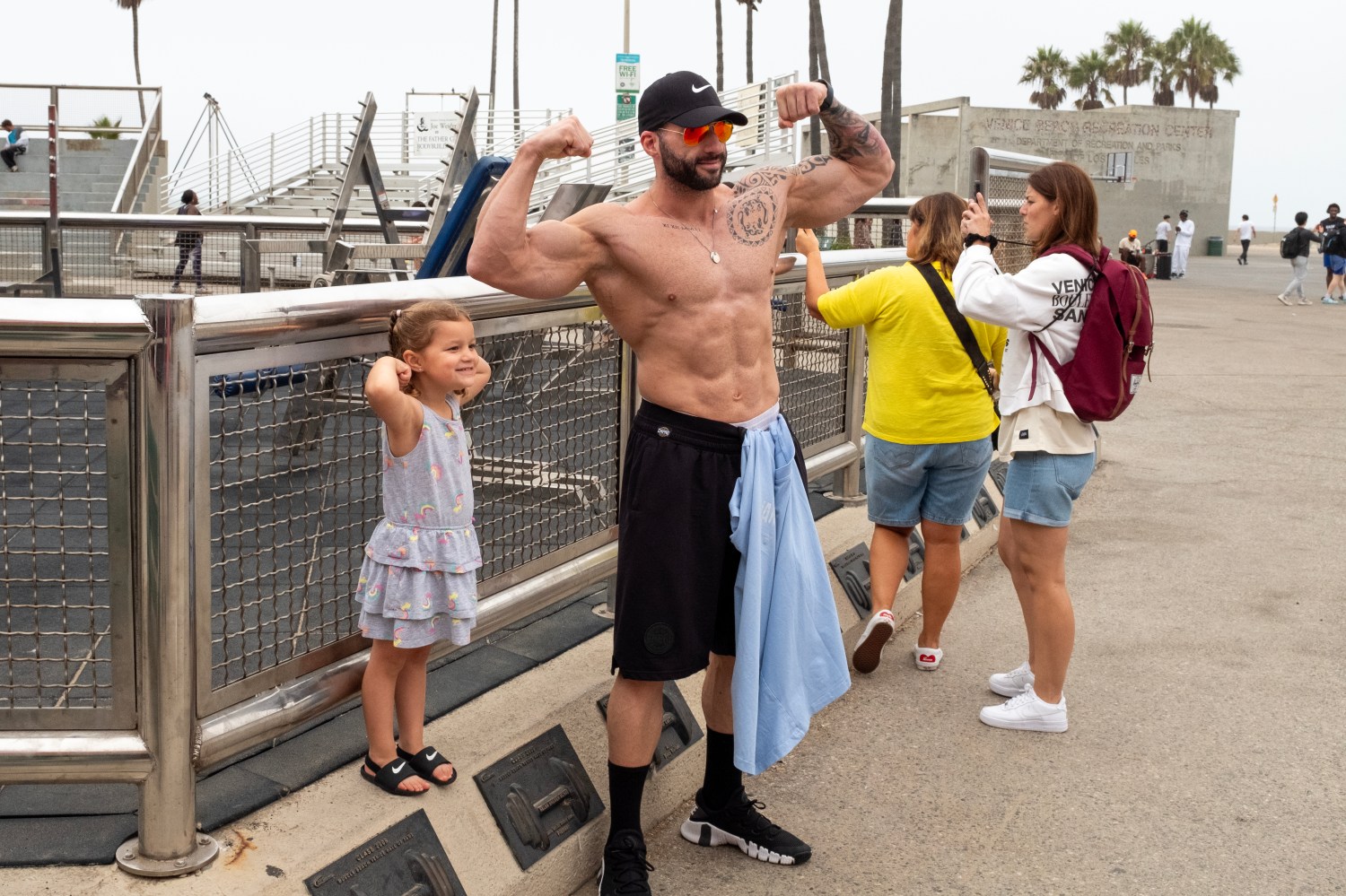
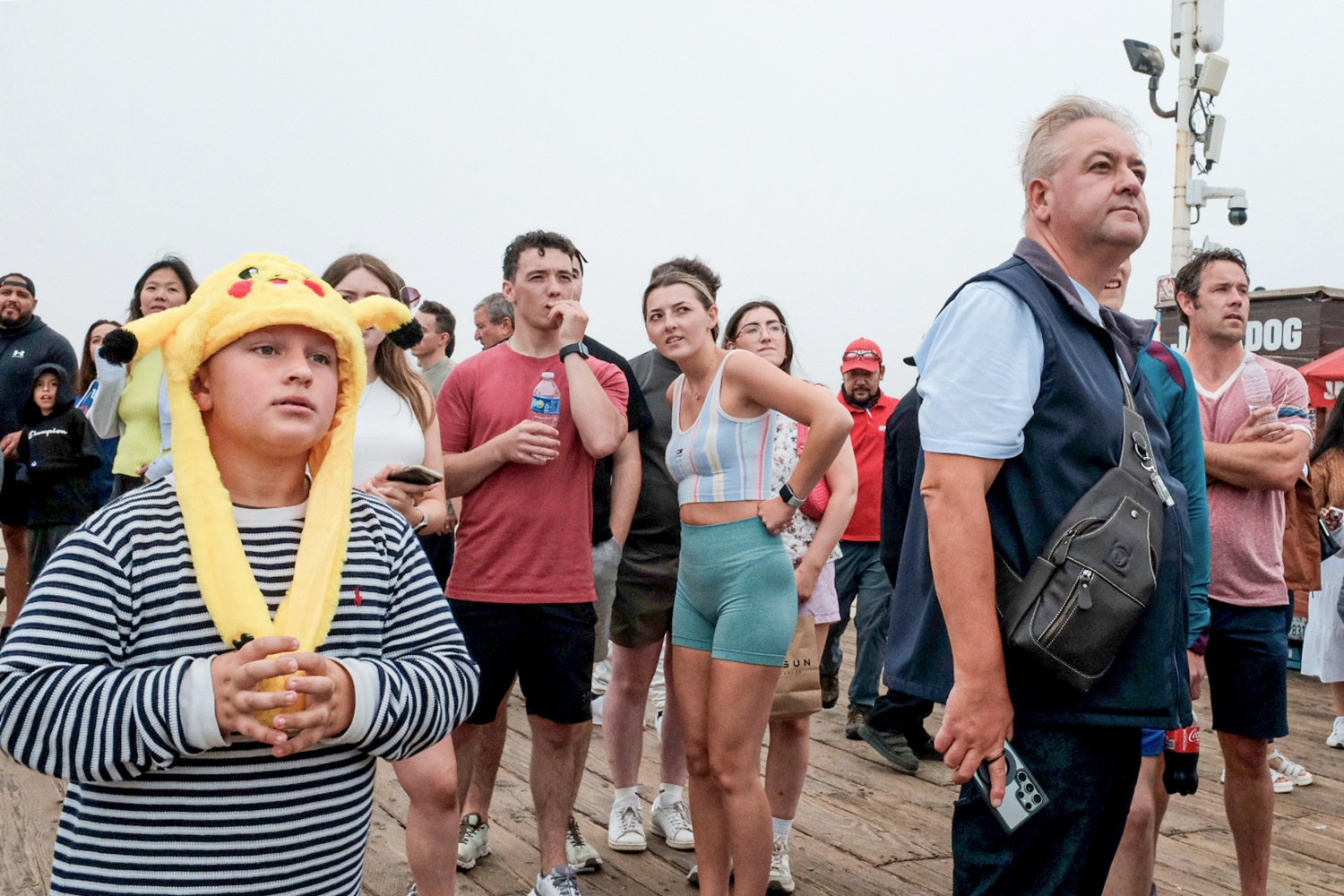
This early October of 2024 I was fortunate to go to my sister in laws house in Santa Monica, California. She lives very close to the strand which in East Coast terms is the board walk. I had close access to the Santa Monica Pier and Venice Beach. This was my opportunity to give street photography an honest try. I had so much fun. It was the happiest I have been in a very long time photographing. I was totally engaged, eyes wide open seeing observing what was in front of me. I absolutely loved it! I went to the pier twice and one afternoon to Venice Beach. I shot hundreds of photographs and edited it down to about 50. I brought the images into Final Cut Pro X and created a slide show with music. I created a title page and a scrolling ending credits page. It’s 5:40 seconds long. My challenge now is, I can’t show it on Social media because I’m using copy righted music. I have to find music from creative commons which is license free music. I’m definitely having trouble finding something I like. If and when I do find the appropriate music I will post it. For now I’ll show a few out-takes from the project.
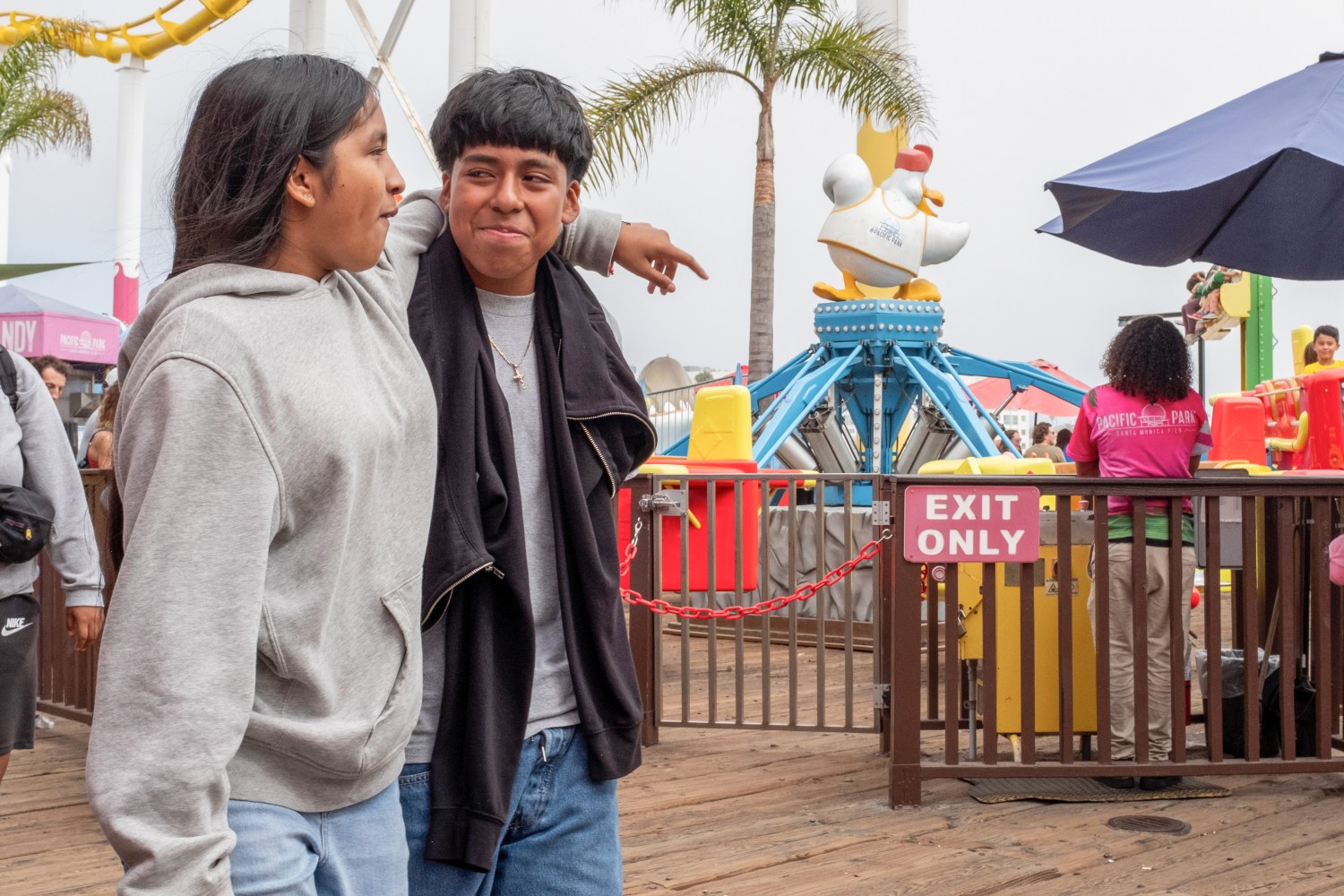
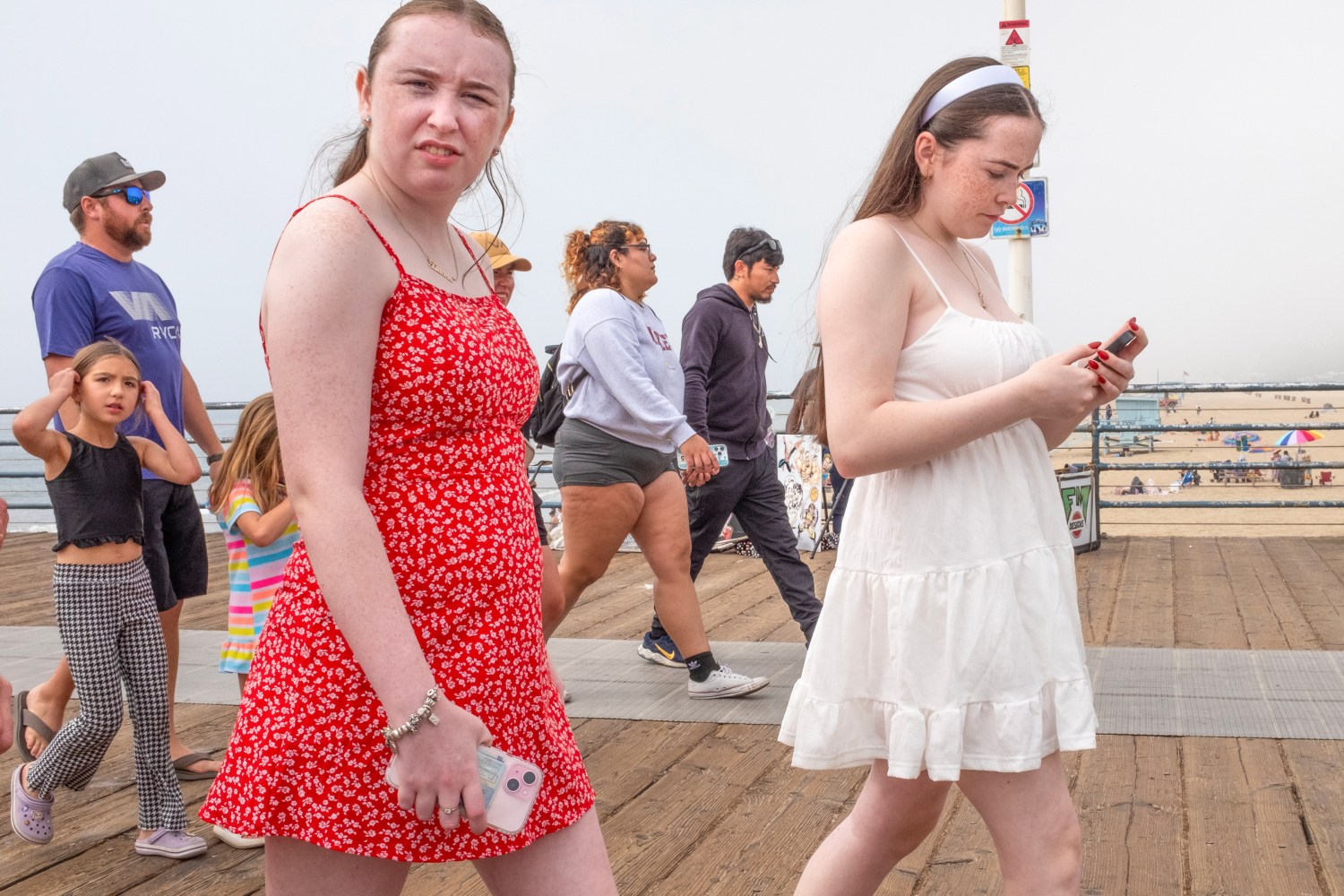
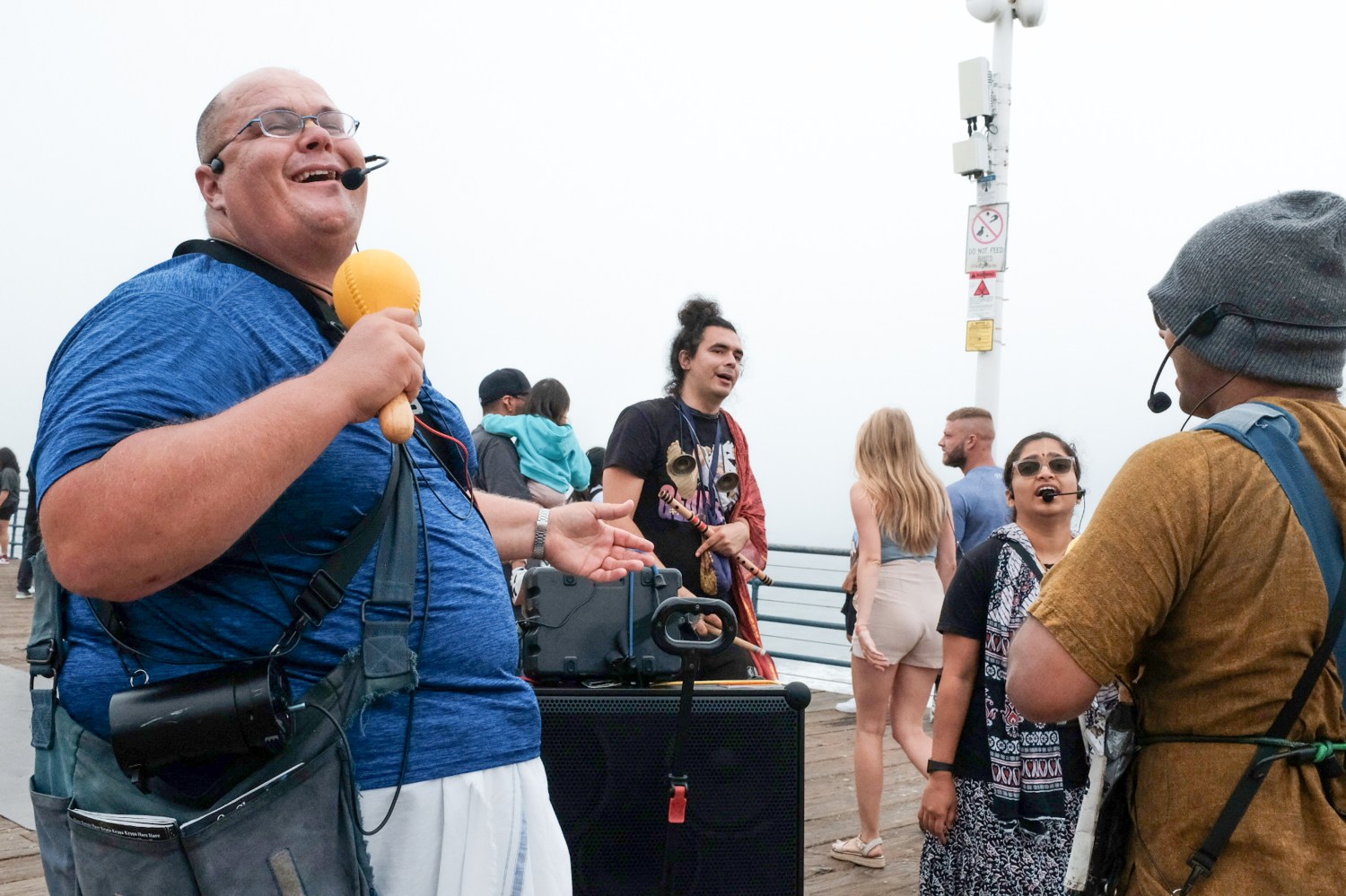

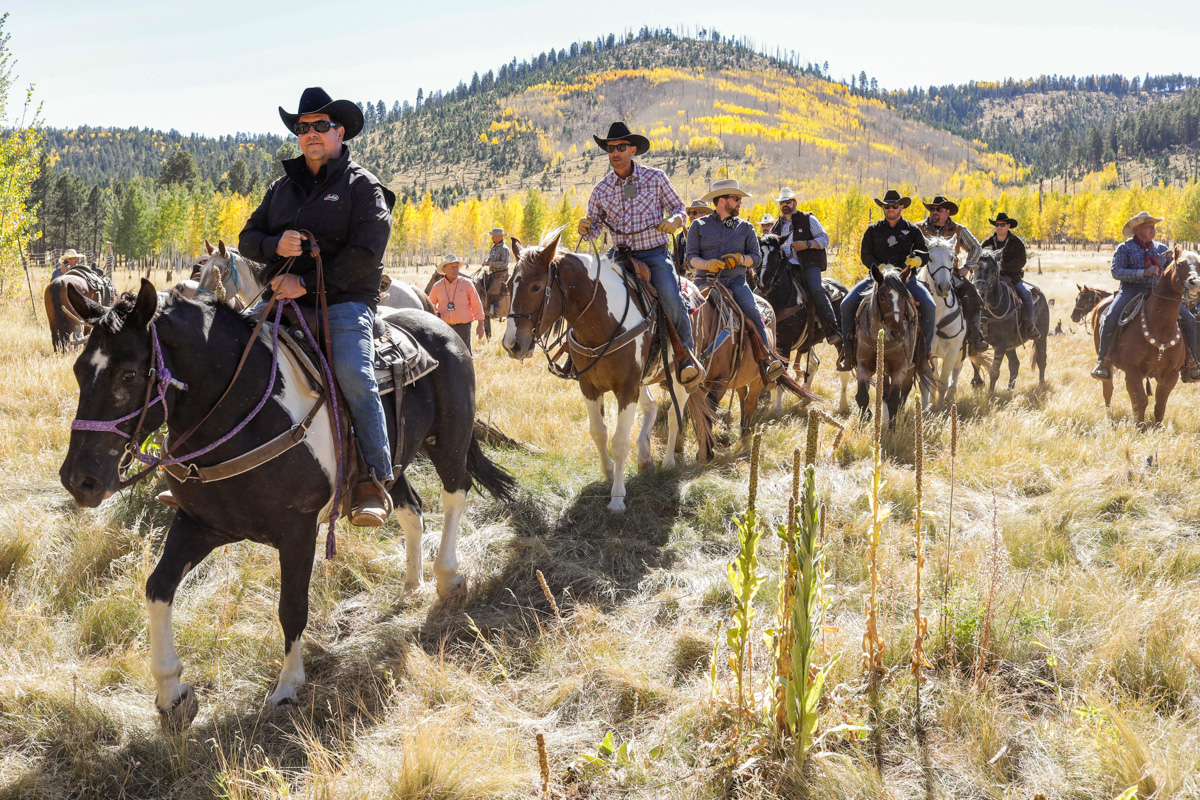
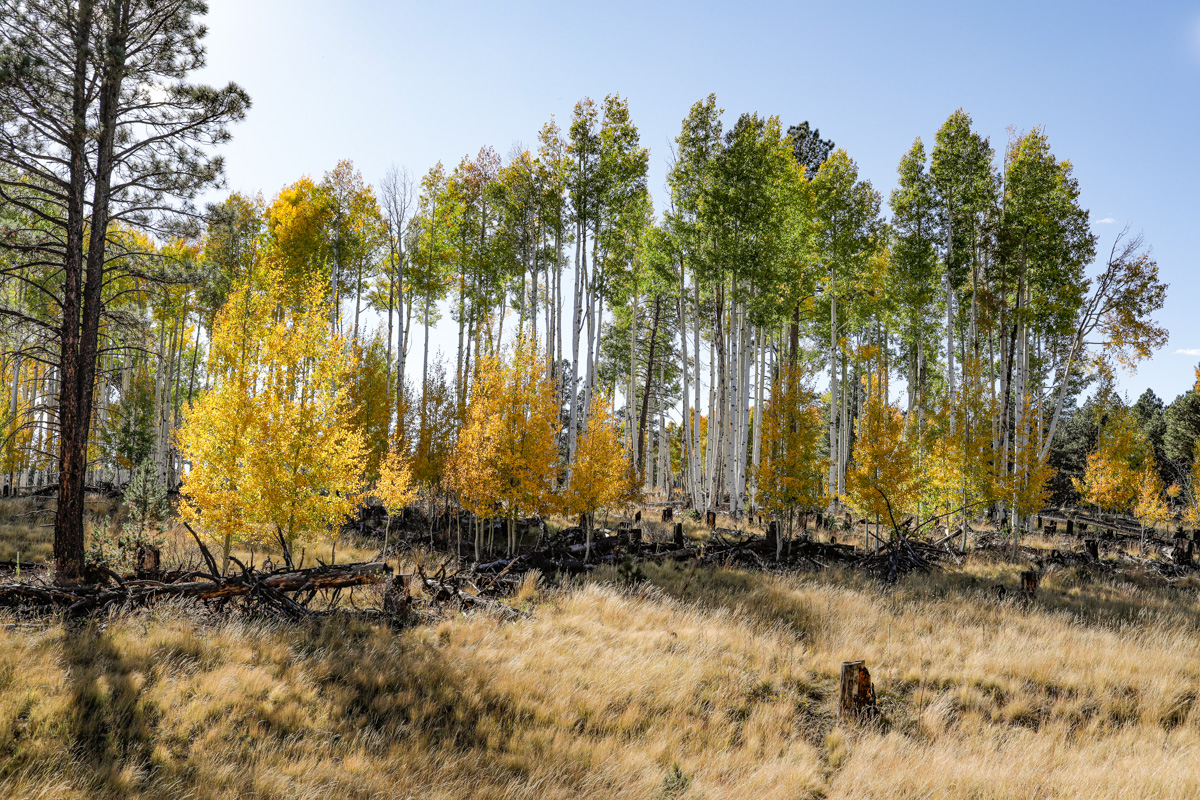
I went to Flagstaff, Arizona from Phoenix last week with a friend to experience the Fall color. I turned onto forest road 151. Fred and I went about a half a mile when we came upon 200 men with horses. Curious we pulled off the dirt road and asked a passing cowboy what is this about? He told us it was the Los Charros del Desierto 69th annual trail ride. The Charros are a non-profit men’s organization started in 1956 by ranchers and business leaders in Tuscon, Arizona. The organizations first trail ride started 1956 at San Xavier del Bac Mission to Nogalas. It was close to a 70 mile ride. That was the beginning of the a long tradition which takes place every year in different locations across Arizona. The Charros are a non-profit that award money in the way of philanthropy and academic scholarships.
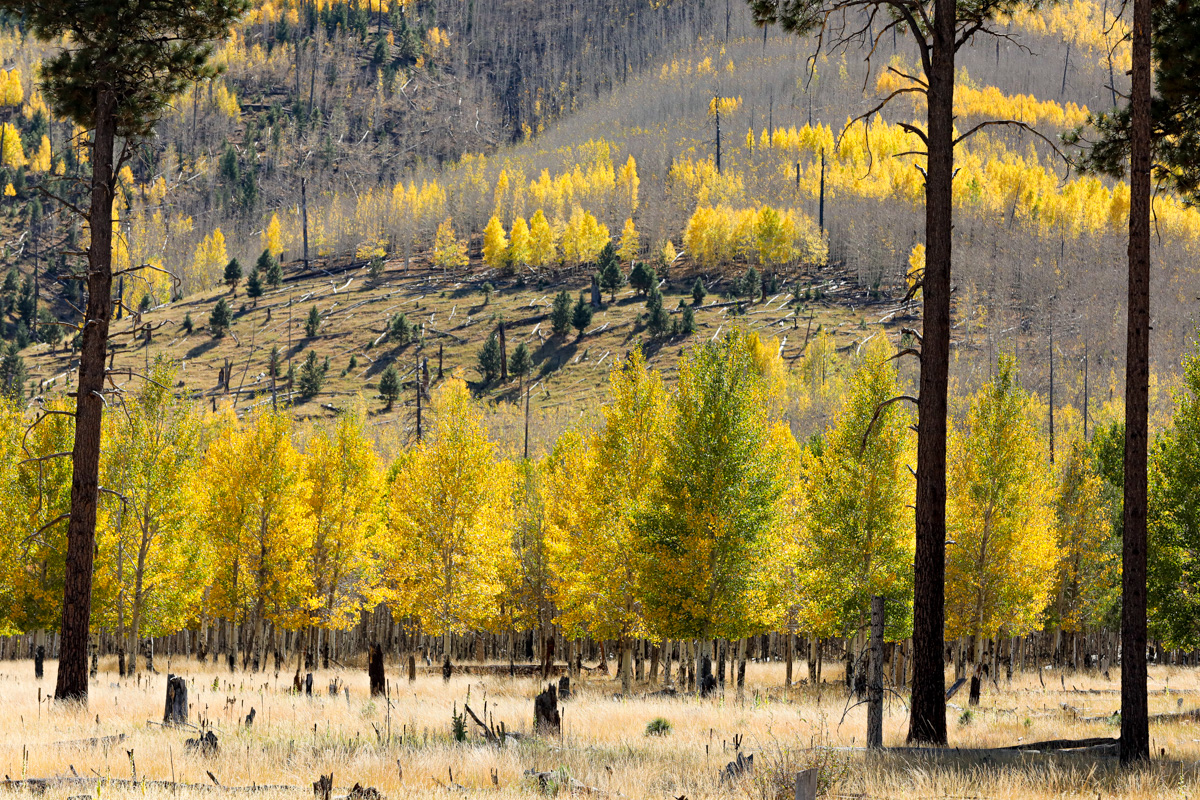
Surrounded by golden Aspens Ponderosa pine trees the four day ride was held in the Coconino National Forest. The meeting we experienced in such a beautiful place was fascinating and visually rich. I wandered around a bit with my camera and took some pictures before they started their ride. They did have an official photographer Brian Goddard from Phoenix so I didn’t want to intrude to much. Here are a few shots I did get before they left. Later that afternoon we finally did make a few Fall color shots of the Aspen trees.



 Bradford Armstrong